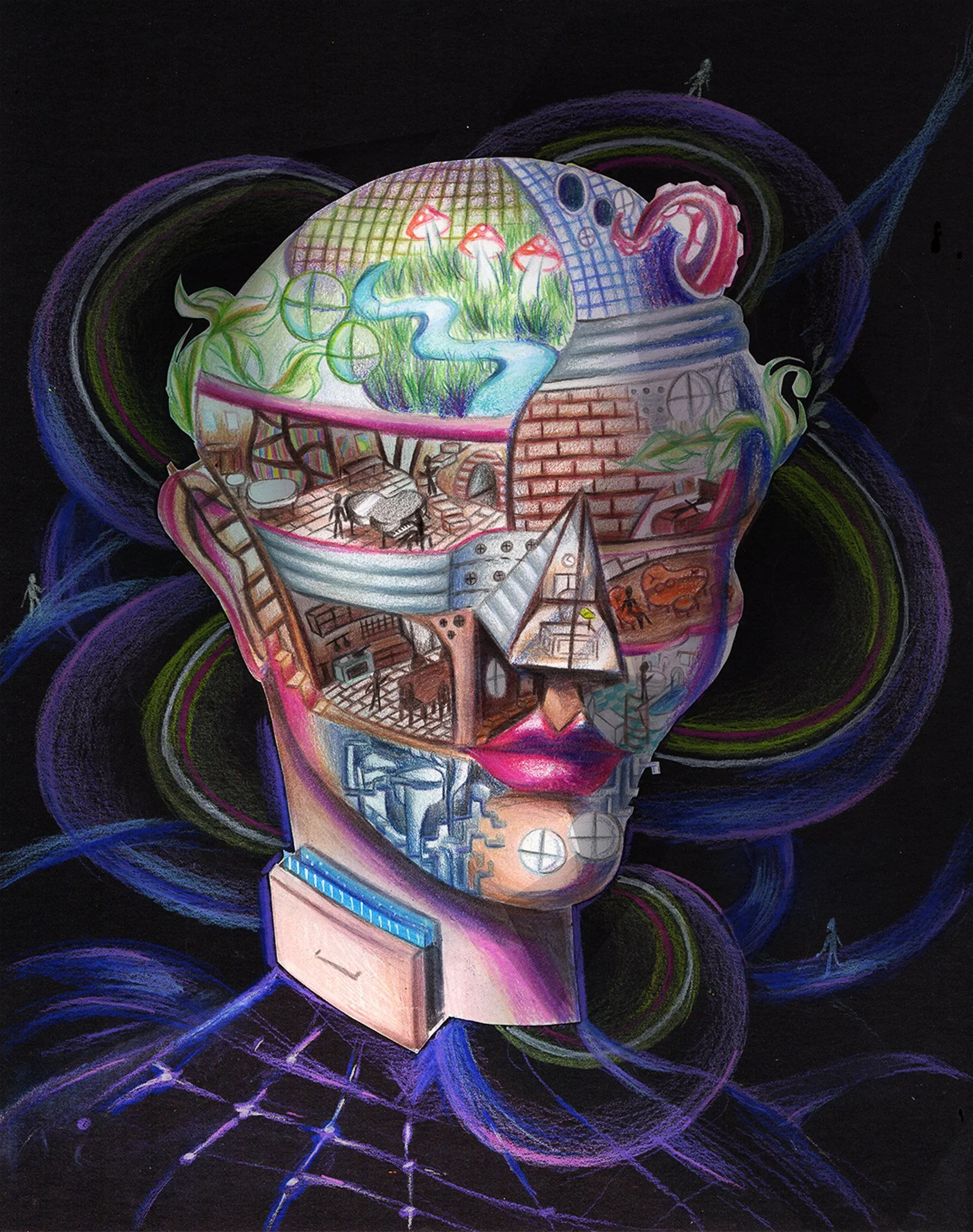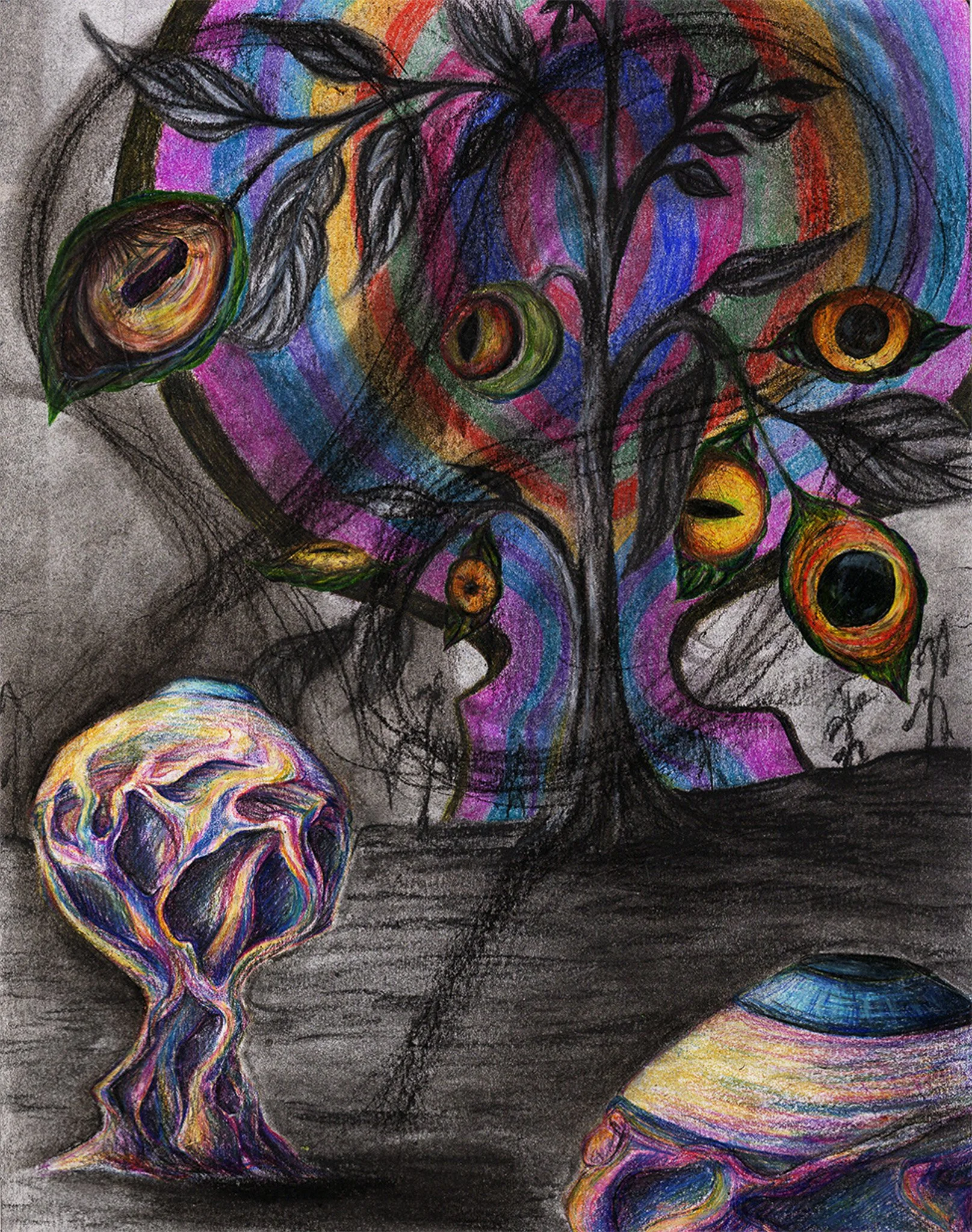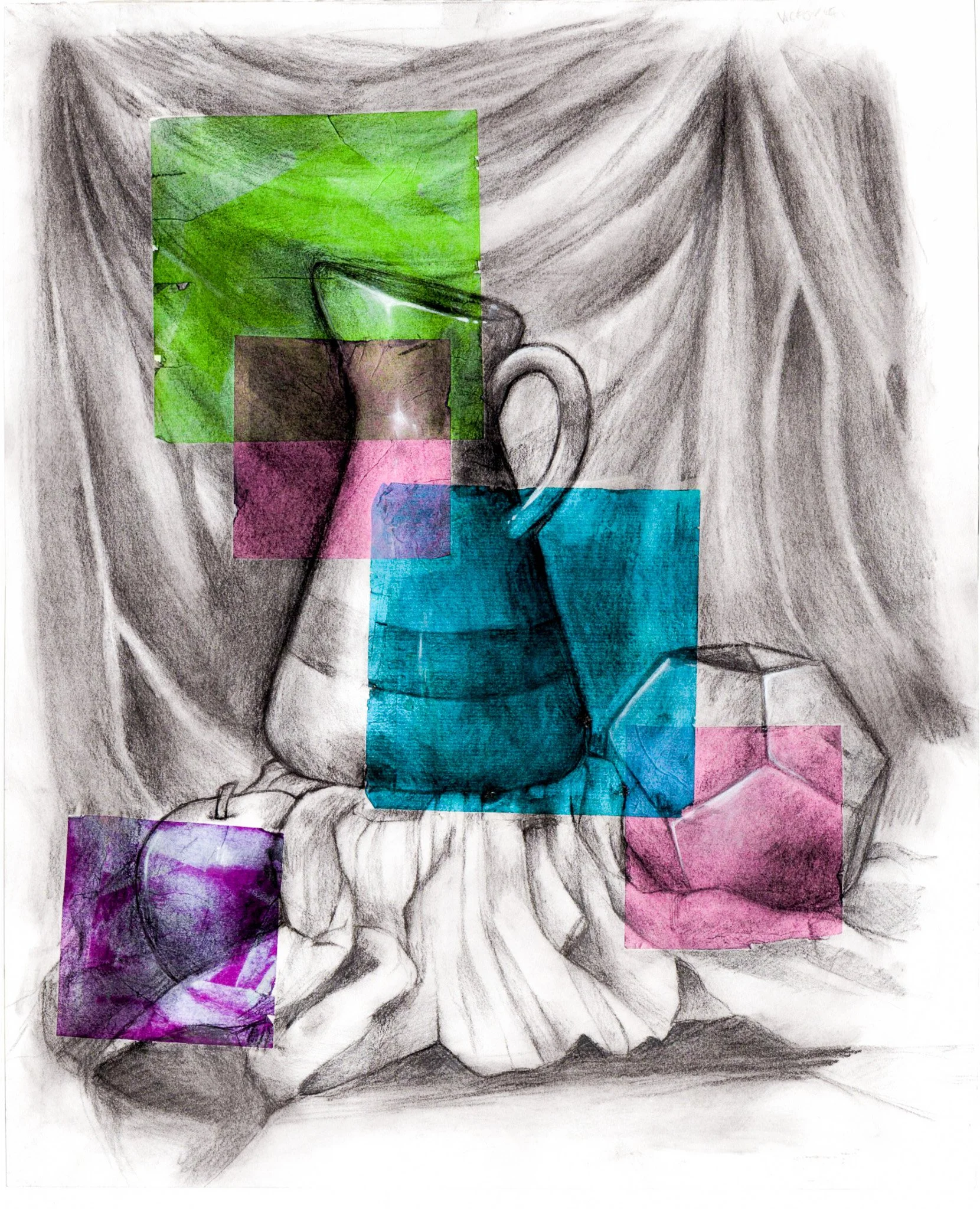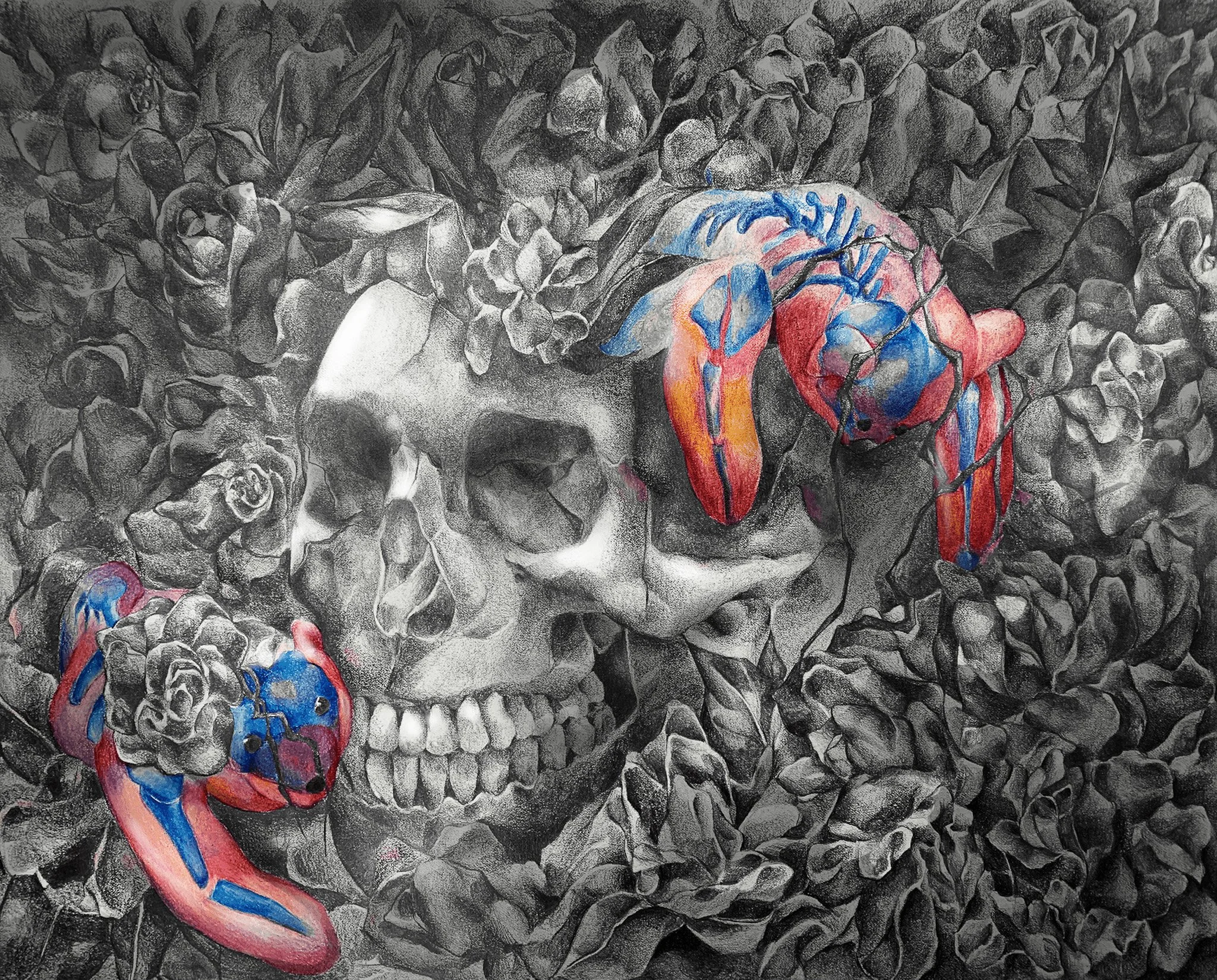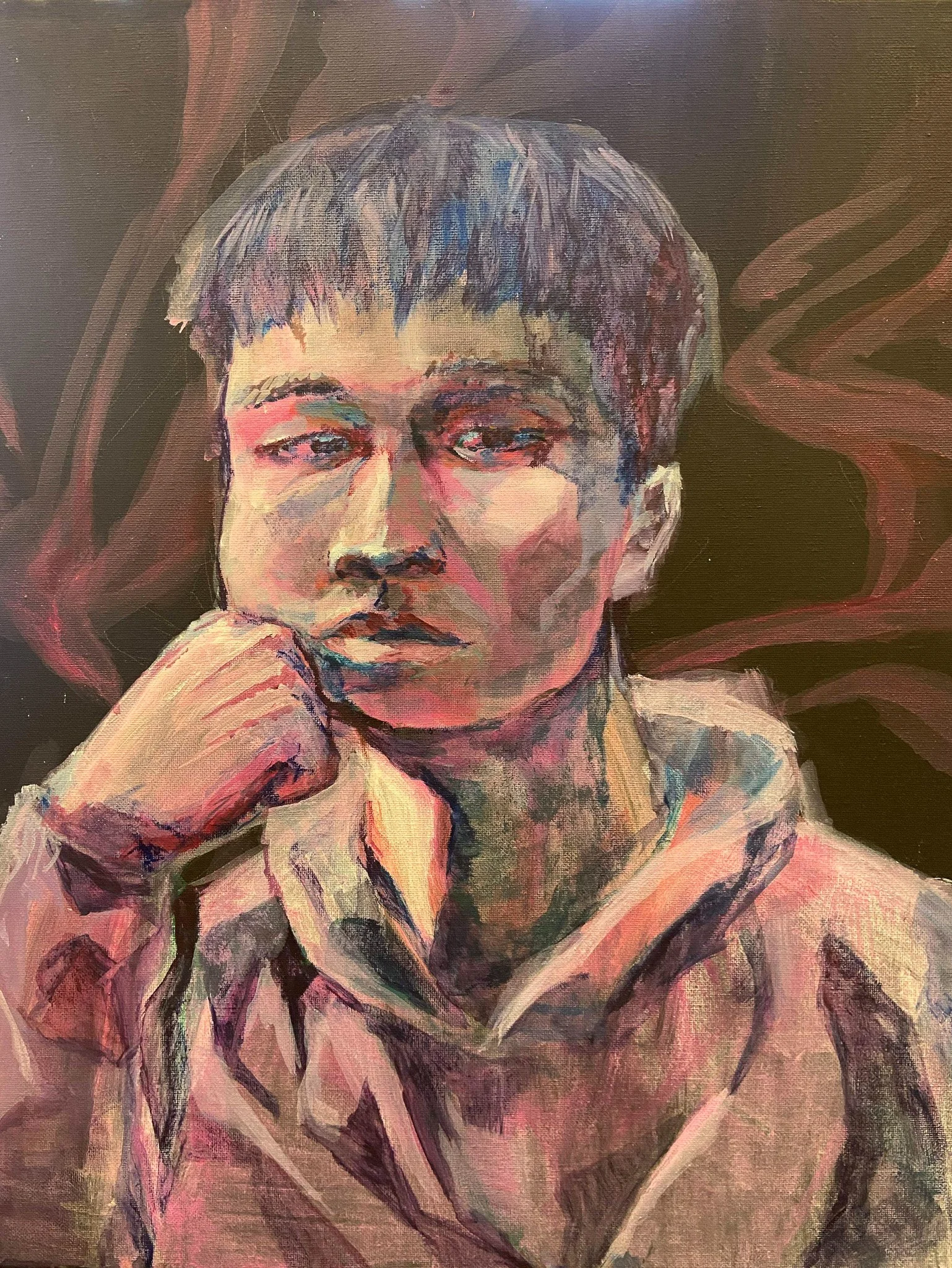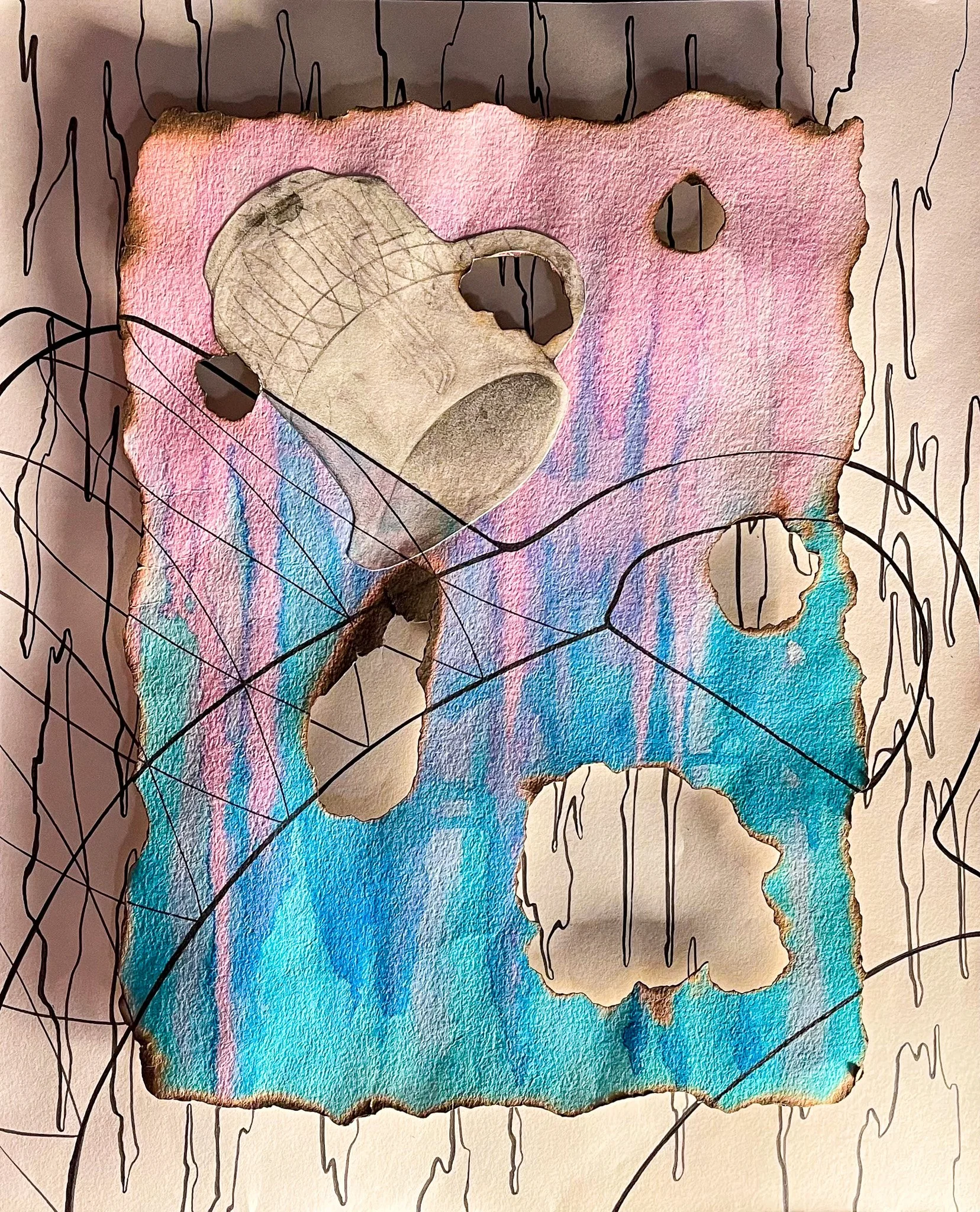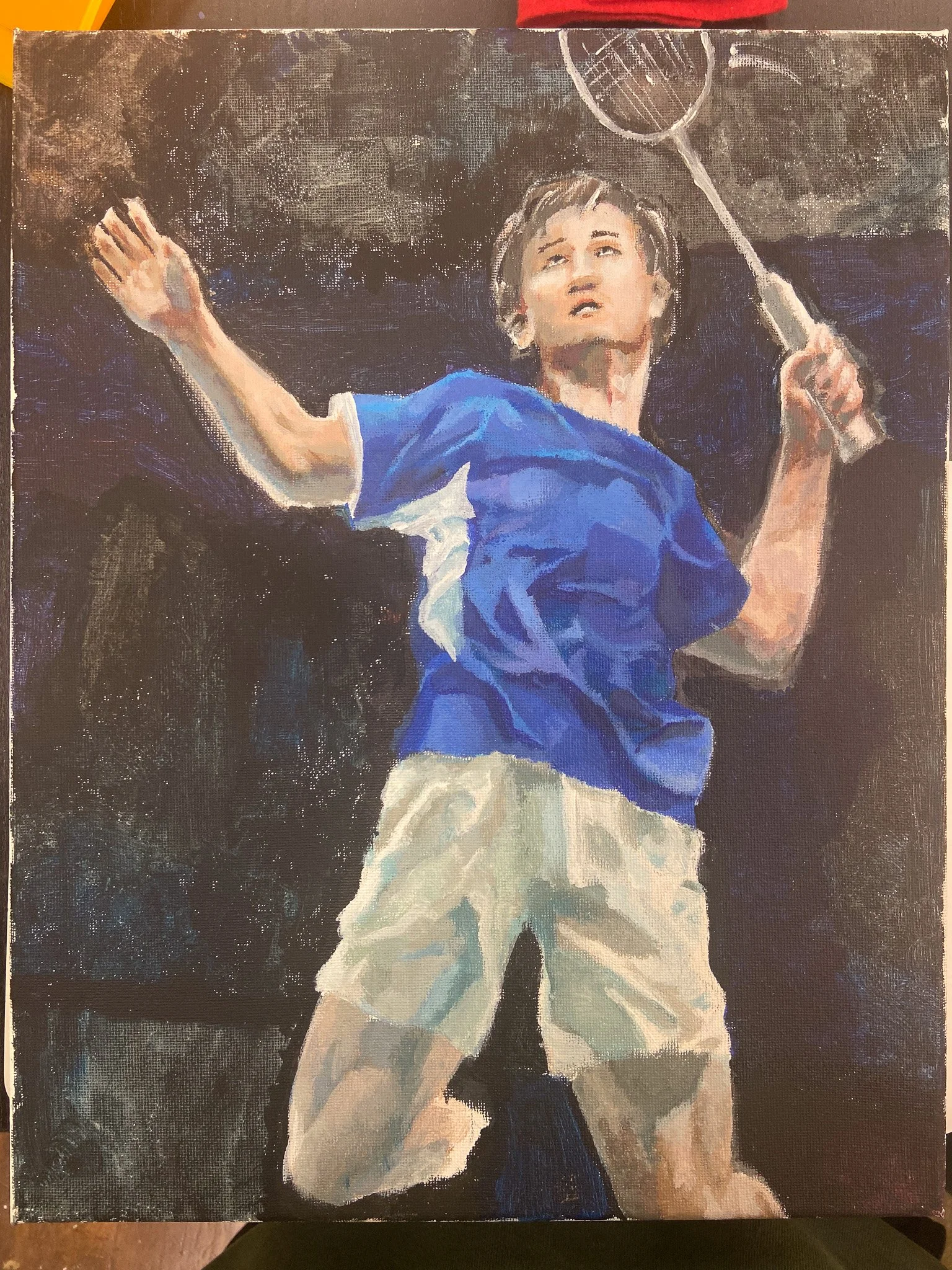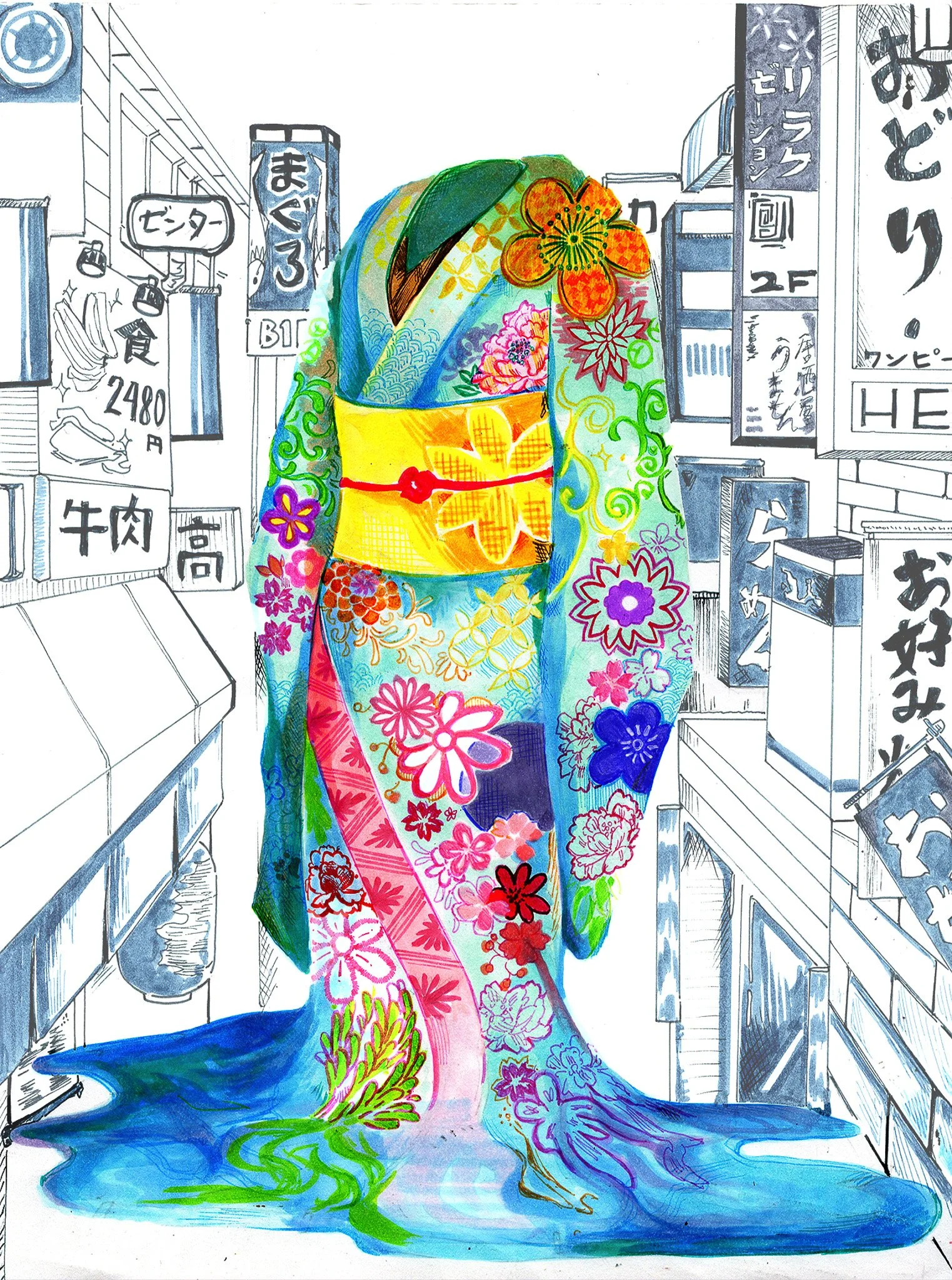
AP Art & College Portfolio
AP Art & Design · AP Drawing · AP 2D Design

Register for a Tryout AP Studio Art & College Portfolio Class Today!
Use this form ONLY for AP Studio Art & College Portfolio Class in the Spring and Fall Semester. If you’re looking for Core Art, Clay Art, and Digital Art tryout classes, please visit hongyunart.com/tryout
One-time tryout classes are required to assess a student's readiness for our program. We will also assess your student's level to ensure they are placed in the proper class for them.
Please keep in mind that acceptance to Hongyun Art is not guaranteed and that there are no refunds for tryout classes.
Over a decade teaching students how a portfolio earns a FIVE
A proven structured approach to AP Art that consistently earns the top score of 5
Our studio classes meet 4 days per week with studio space available 5 days a week to all students. Students can drop in to work as many times per week as they’d like! Collaborate, bounce ideas, immerse yourself in the art-making process similar to the studio classes in top universities. We have a 6000 square feet of space to let your creativity run free and meet with other top creative students!
How AP Art Works
AP Art is not an exam - it’s a body of work produced over time that expresses one central theme or idea. There is no test to cram for. Students submit twenty images to the College Board in May, and readers score them on evidence of inquiry, revision, and skill. Almost everything that separates a score of 3 from a 5 happens many months earlier, in decisions a student cannot see themselves making.
Components of the AP Art portfolio
Sustained Investigation (15 works)
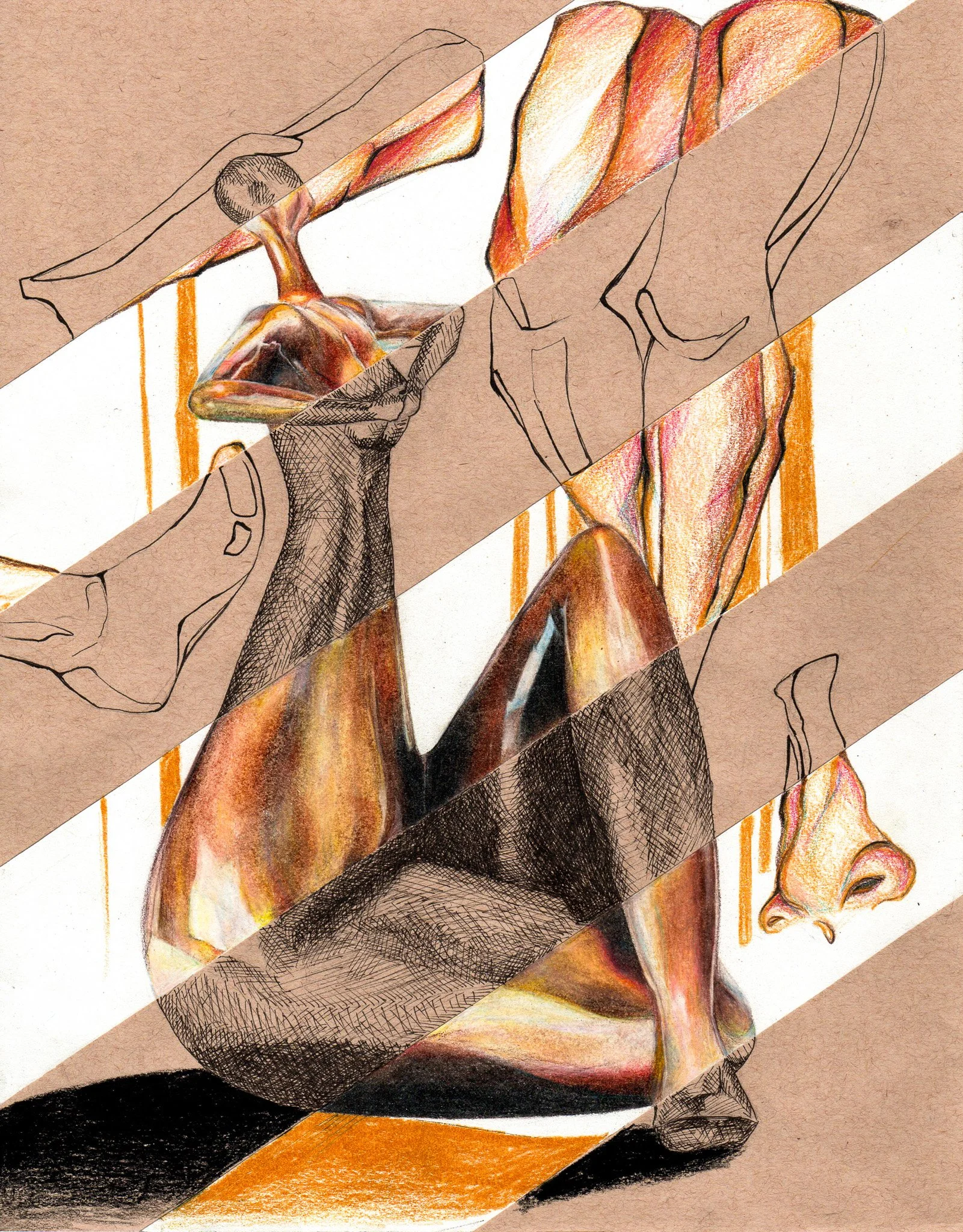
One question, pursued through inquiry, experimentation, and the creative process we lead our students through. The most common reason strong artists score a 3 is that their work is beautiful but unconnected — fifteen good pieces instead of one investigation. We focus on the central theme throughout the process making sure the question is deeply meaningful and creatively portrayed in the student’s entire portfolio - connected in novel and thoughtful ways that AP graders understand and look for.
Selected Works (5 works)
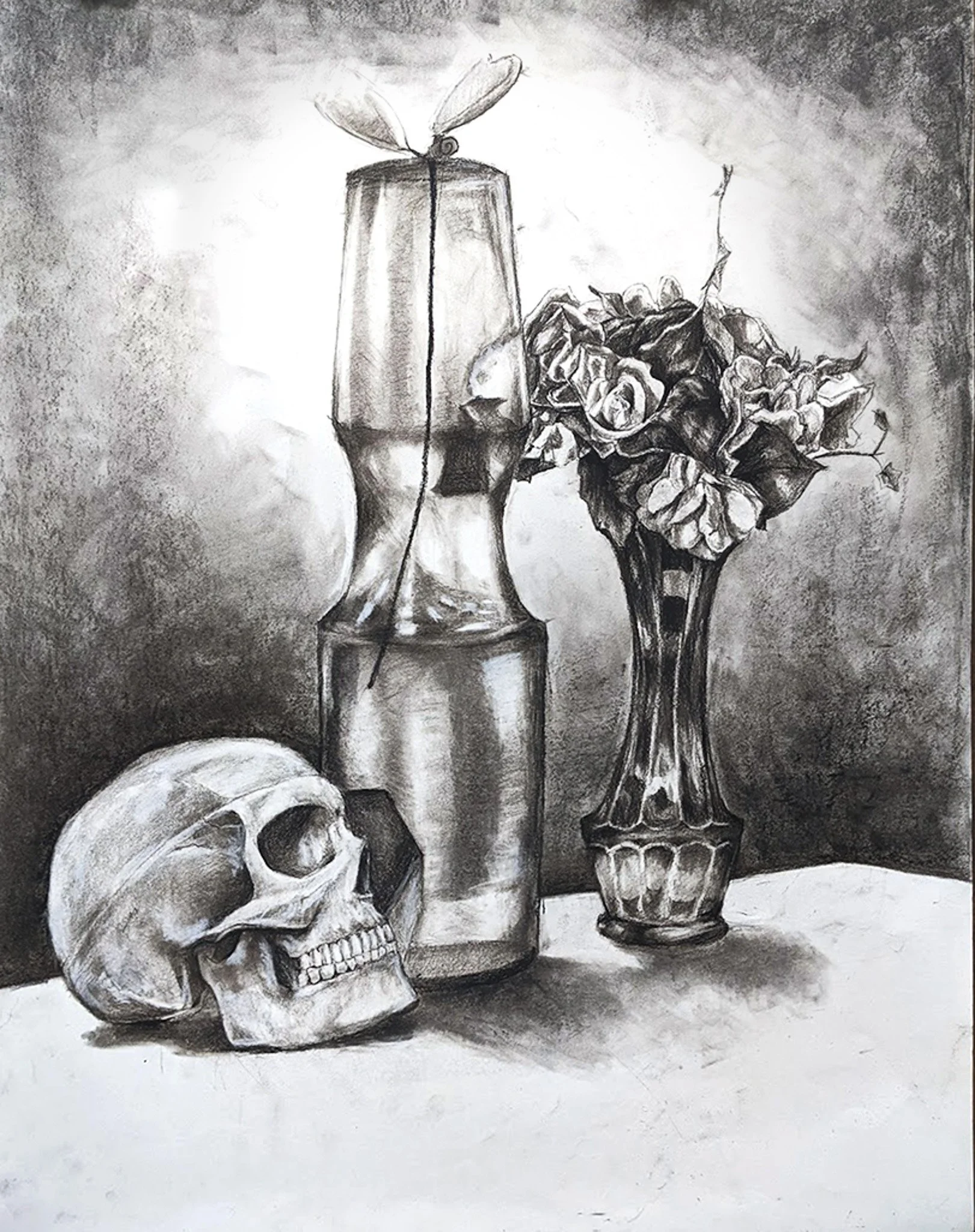
Five pieces judged purely on skill and on the relationship between materials, processes and ideas. These are chosen, not made to order. We build a surplus across the student’s career at Hongyun Art so the five are selected from a wide and deep library they’ve built up over time, not hastily thrown together at the last minute.
Written evidence
Students write about their inquiry, their materials, and their revisions. Readers weight this more heavily than most families expect, and it is where rushed portfolios reveal themselves. We draft and revise the writing several times alongside artwork revisions to ensure the outcome is a cohesive idea reflected in a portfolio of artwork that shows intention and care
Practice, experimentation, revision.
College Board reports this is the component students score worst on year after year. It rewards visible failure — trials, dead ends, and second attempts left in the record. Most students instinctively hide exactly the material that earns these points. We embrace creative experimentation, roadblocks, revisions, and rethinks - artistic fearlessness is in our DNA and what we teach from age 4 all the way through high school graduation.
AP Studio Art Webinar
AP Studio Art & College Portfolio FAQ
-
AP Art is different from most AP subjects. Instead of taking a traditional written exam, students develop and submit an art portfolio to College Board. Students are evaluated on much more than finished artwork. Their portfolio demonstrates ideas, technical skills, experimentation, development, revision, and creative thinking.
-
Yes, very much so! This is a common misconception - AP Art is actually for students who plan to go to college for non-art majors. This is very common in our program. Many students use art as an important enrichment activity while planning to pursue engineering, science, medicine, business, technology, humanities, or other fields. Serious art study develops and demonstrates creativity, independent thinking, problem-solving, commitment, and personal voice. We do not believe AP Art is only for future professional artists.
For students certain they will attend an art college or major in an applied art, we actually have a completely different curriculum and training to prepare them for entrance portfolio reviews and college life as a producing artist.
-
Yes! Top colleges allow optional arts supplement or portfolio, including students applying for non-art majors. Every university has different requirements, so families should check each college's current admissions policy. Our philosophy is simple: build strong work first. When an appropriate opportunity exists, the student has something meaningful to show.
-
For AP Drawing and AP 2-D Art & Design, the portfolio contains two major components. Sustained Investigation (60%): students submit 15 images showing the development of an artistic inquiry through practice, experimentation, and revision, together with written evidence. Selected Works (40%): students submit 5 of their strongest works demonstrating their skills, ideas, materials, and processes.
The Hongyun Art App helps students track and organize their work.
-
AP Drawing emphasizes drawing skills such as line, mark-making, value, form, surface, space, and composition. AP 2-D Art & Design has a broader two-dimensional design focus and may include painting, photography, digital art, illustration, collage, graphic design, and mixed media. We help students determine which direction best matches their strengths, interests, and body of work.
-
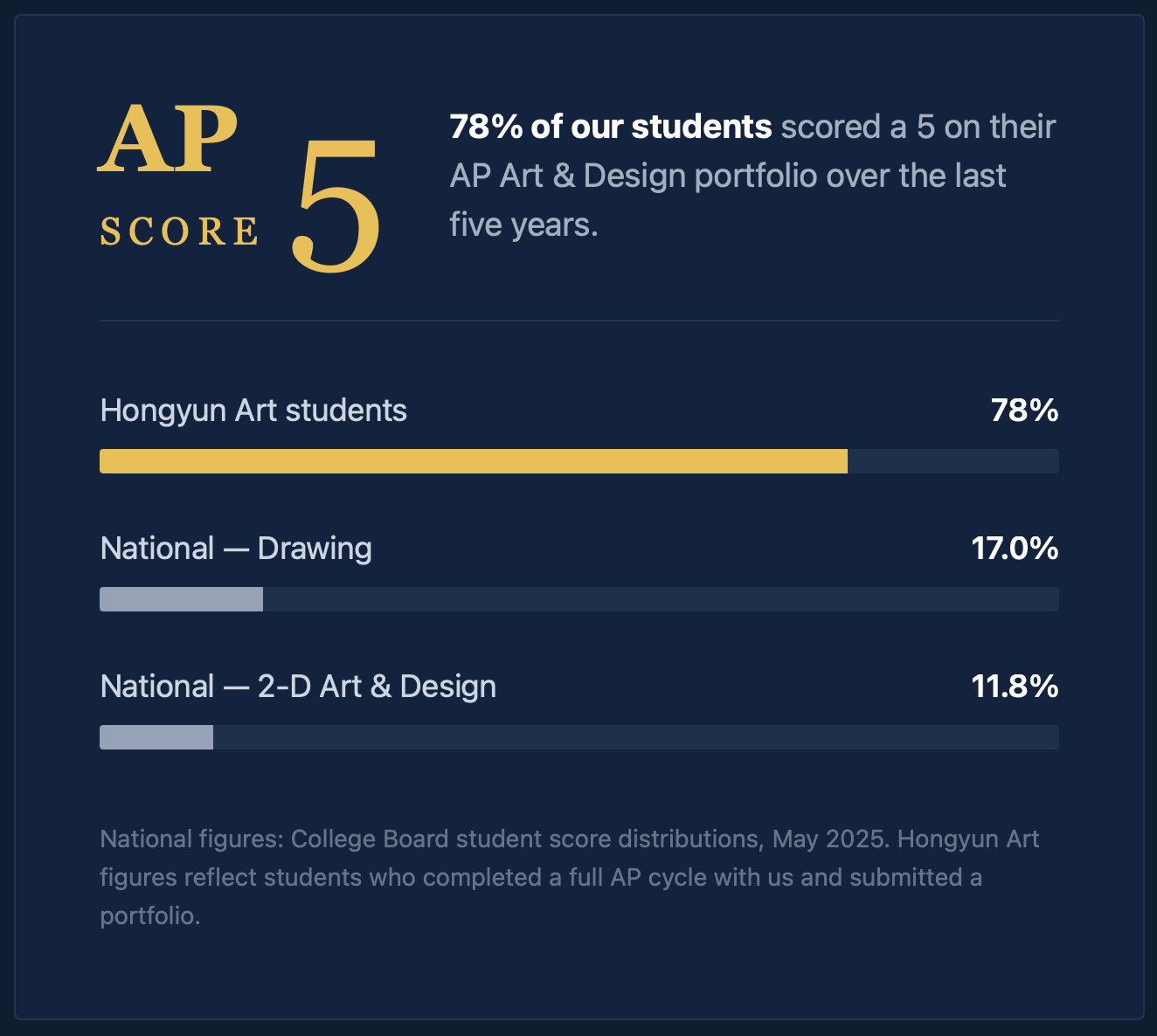
Historically, approximately 60 to nearly 80% of our AP students have earned a 5, the highest possible AP score, with additional students earning a 4. The national average is about 11-17% of students receiving a score of 5.
Our College Portfolio program counts all of Ivy League schools with accepted students. We’ve even garnered special letters to our admits at MIT, UPenn, and others regarding our student’s body of work and how the admissions team loved the work.Our school serves approximately 1,000 students every week, including about 120 students participating weekly in our AP Art & Portfolio Program. We have more than 10 years of experience preparing students for AP portfolios.
-
Yes.
This is one of the major benefits of our program. Students enroll in one regular weekly AP/Portfolio class, approximately 2 hours and 45 minutes long, but they are not limited to working only during that scheduled class.
AP/Portfolio students may return to work on their portfolios during our school operating hours Thursday through Sunday. We know our students have busy schedules so we make this as flexible as possible -there’s no need to pre-schedule, just drop in, pull your artwork from your cubby, and get to work! The studio is there for you whenever you’re able to come in.
This extended studio access gives motivated students more time to finish, practice, experiment, revise, improve, and work ahead.
Additionally submit-year students meet in buddy pairs with teachers over zoom regularly to ensure they are on track.
Additional studio access is subject to normal operating hours, available workspace, supervision, and school scheduling.
-
Because serious portfolios require serious time. Achieving the highest AP score at 5x the rate of the national average requires a little more than the average student. Hongyun Art teachers have developed techniques and shortcuts to help students along but students still need to put in the “elbow grease” to make the work.
Some students work quickly; others may spend many additional hours developing and refining a single piece. We do not want a motivated student to stop simply because a scheduled class has ended. Students willing to put in more effort should have the opportunity to push their work further.
-
A truly strong AP portfolio cannot be created at the last minute.
Students need time to investigate, experiment, make mistakes, revise, develop, and refine.
Good time management and consistent work habits are especially important for high-school students balancing academics, extracurricular activities, and other AP courses.
-
A 5 is an excellent achievement, and we are proud of our students' AP results.
But a score is not our only goal. We want students to learn how to develop an idea, experiment, solve problems, accept feedback, revise, improve, and finish strong.
Those abilities remain valuable whether a student eventually studies art, engineering, medicine, business, technology, or another field.
-
We do not believe great portfolios come from teaching students to simply copy beautiful pictures - actually AP Art graders confirm this. Students who simply copy from reference do not score well in AP Art.
Our approach is: Foundation → Creativity → Independent Thinking → Personal Direction → Craftsmanship → Portfolio.
For future artists and designers, this creates a strong technical and conceptual foundation for advanced study.
For students pursuing other fields, art provides an opportunity to demonstrate how they think, create, solve problems, persist, and develop original ideas.